Elaboração e Avaliação de uma História em Quadrinhos para o Ensino de Radioatividade: Garotas do Rádio e a Pintura Radioativa
DOI:
https://doi.org/10.21577/1984-6835.20260058Resumo
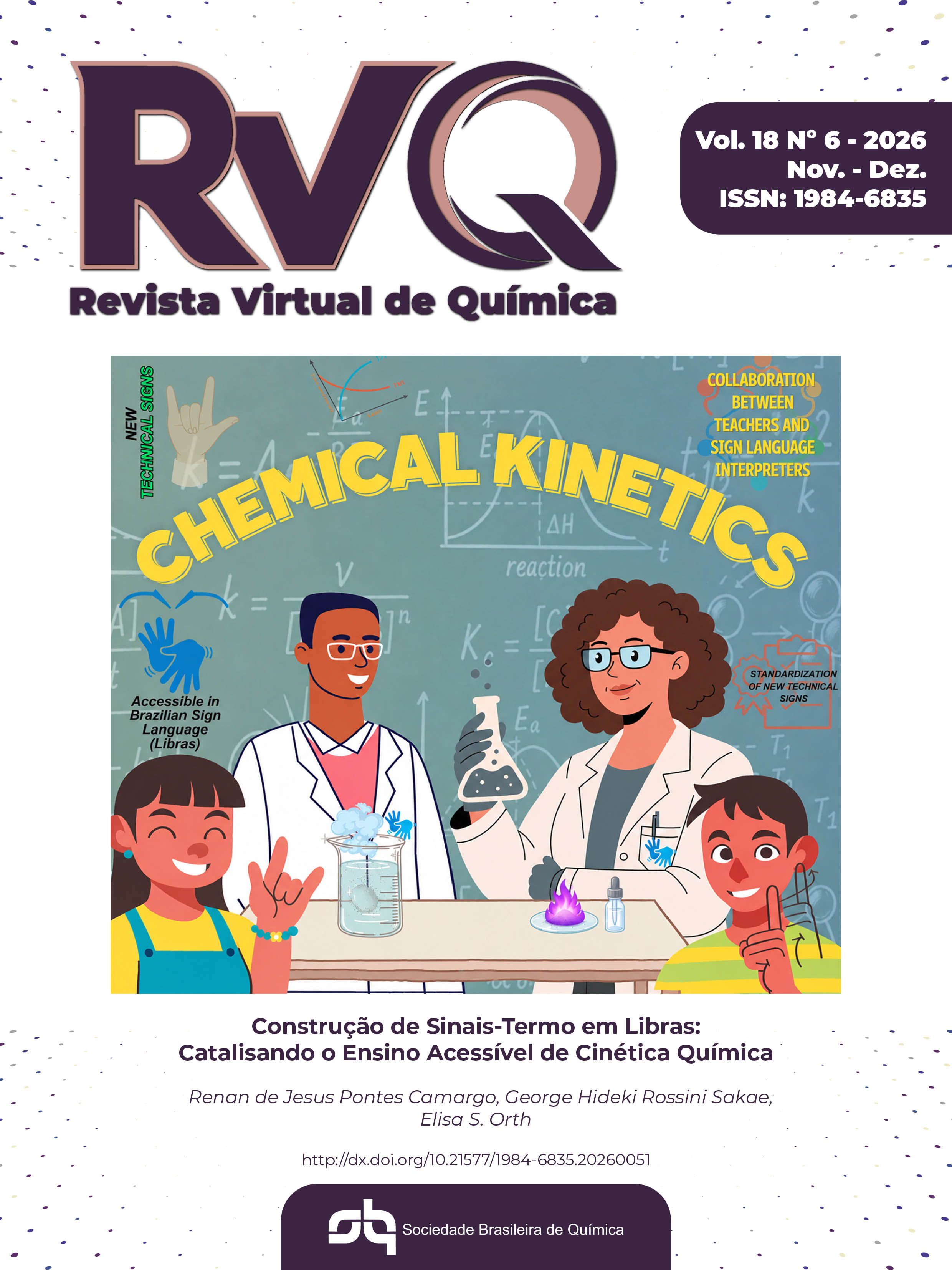
This article describes the development and evaluation of the comic book “The Radium Girls and the Radioactive Paint” as a complementary resource for teaching radioactivity in high school. The comic integrates narrative, visual, and historical elements to contextualize scientific concepts related to radiation, including its characteristics, applications, and the social consequences of radium use in the early 20th century. Centered on the story of the “radium girls,” factory workers who were exposed to radium in unsafe conditions, the narrative encourages critical reflection on the ethical dimensions of science and technology. The material was evaluated by high school teachers through qualitative analysis of their perceptions regarding conceptual accuracy, contextualization, and pedagogical value. The results revealed positive reception, highlighting the comic’s engaging and accessible language, playful approach, and ability to sustain scientific rigor while enhancing student motivation. Teachers emphasized its potential to foster meaningful learning and stimulate curiosity about chemistry. Overall, the study concludes that the comic is a promising educational tool for addressing complex scientific themes, such as radioactivity, and can be effectively applied in both formal classroom settings and informal educational environments. Future research should assess its direct impact on students’ conceptual understanding and engagement.
Downloads
Arquivos adicionais
Publicado
Edição
Seção
Licença
Copyright (c) 2026 Revista Virtual de Química

Este trabalho está licenciado sob uma licença Creative Commons Attribution 4.0 International License.
Autores que publicam nesta revista concordam com os seguintes termos:
Os direitos autorais para artigos publicados nesta revista são do autor, com direitos de primeira publicação para a revista. Em virtude do acesso público, os artigos são de uso gratuito em aplicações educacionais e não-comerciais desde que com reconhecimento da autoria e da publicação nesta revista.